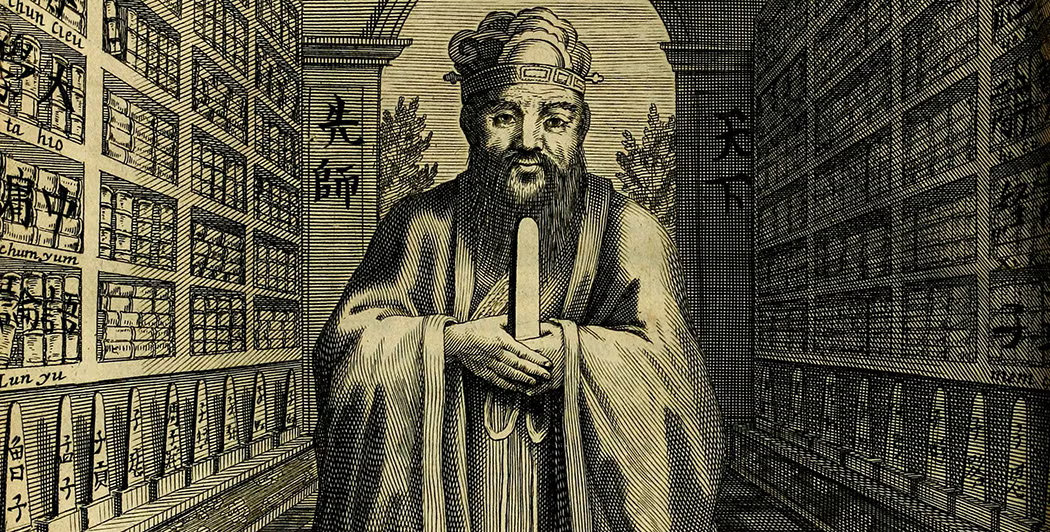
"The green reed which bends in the wind is stronger than the mighty oak which breaks in a storm."
- Confucius
Theme of the Week: Bend, Don't Break
Brother,
When people think about professional soccer, they often picture packed stadiums, competition, and exciting opportunities.
For me, much of my time looked nothing like that.
I was living on the other side of the world during COVID. I was far from my family and friends, earning very little, dealing with contract uncertainty, and spending countless hours alone inside my house because of the pandemic. There were days where I woke up with a pit in my stomach, my heart raced for no clear reason, and anxious thoughts followed me from the moment I opened my eyes until I went to bed.
I started to believe that there was nothing I could do to change how I felt. Looking back, I can see how much that mindset stole from me. It affected my happiness, my relationships, my confidence, and my ability to enjoy the life I had worked so hard to build.
Eventually, I reached a point where I knew something had to change.
I had spent so much time reading about different ways to support mental health; journaling, prayer, meditation, affirmations, improving my nutrition, reading, cold plunges, and using the sauna - but I wasn't consistently putting any of them into practice.
So I stopped waiting to feel better and started creating a routine that I hoped would help me get there.
I literally scheduled my days.
I filled my time with the habits that I mentioned above, which helped regulate both my mind and my body. These practices strengthened my mindset, and helped me develop my mental resiliency when I needed it most.
Some of those practices became part of my everyday routine, while others became tools I could reach for when life became overwhelming.
A few years later, more than 100 days after my stem cell transplant, I found myself carrying a different kind of weight. I was recovering from one of the most physically demanding treatments imaginable while also trying to navigate enormous personal and professional changes. The medications affected how I felt, my emotions were heavier than ever before, and once again I could feel myself beginning to struggle.
But this time, I knew exactly what to do. I had already built a mental health toolbox that I knew could help pull me out of that dark place.
Some days I didn't feel like journaling, meditating, or exercising. But I did them anyway - not because they magically solved the hardship I was facing, but because they helped me face those hardships without being controlled by them.
Mindset-building practices increased my capacity to handle anxiety, fear, and uncertainty.
Instead of spiraling every time a difficult thought entered my mind, I became more aware of it. I could slow down, process what I was feeling, communicate it, and choose how I wanted to respond.
The effort it takes to look after your mental health is hard. But doing nothing is just as hard - perhaps even harder - because it keeps you stuck where you are.
You don't need to live like a monk or spend hours every day chasing the perfect routine.
Short and simple daily mindset tools can make a world of difference. And when you notice your mental load becoming heavier, don't wait until you're completely overwhelmed to start looking for help.
The goal isn't to avoid every storm.
It's to become the kind of person who can bend without breaking when the wind begins to blow.
Stay strong, even when you are not. It’s okay, you are not alone.
With love always,
Michael Argyrides